
A Beginner's Guide to Growing Raspberries: Tips for Success
- Growing in Edmonton
- May 6, 2024
- 4 min read
Updated: May 21, 2024
Raspberries are a delicious and rewarding addition to any garden. Their sweet-tart flavor and vibrant color make them a favorite for fresh eating, baking, and preserving. If you're considering growing raspberries in your own backyard, you're in for a treat! Here's a comprehensive guide to help you get started on your raspberry-growing journey.

1. Choose the Right Variety:
Selecting the right raspberry variety is crucial for success. There are two main types raspberries: summer-bearing and everbearing. Summer-bearing raspberries produce one large crop in early to midsummer, while everbearing varieties produce two crops – one in summer and one in fall.
Here are some common types of varieties for zone 3:
Summer bearing Raspberries fruiting on Florocaines which are older canes ( 2nd year canes) that have wintered over, distinguished by their brown color:
Festival: Short, hardy canes. Taste Description: Sweet-tart flavor with a juicy texture.
Killarney: Produce firm, medium-sized fruit. Taste Description: Mildly sweet with a slightly tart undertone.
Honeyqueen: Yellow-fruited variety known for its sweetness. Taste Description: Delicately sweet with a hint of floral notes.
Red Bounty: Large and flavorful bright red berries. Taste Description: Rich, sweet flavor with a tangy kick.
Red Mammoth: Bright red berries with a sweet taste. Taste Description: Intensely sweet with a juicy burst.
Everbearing raspberries- fruit on primocanes which are the new raspberry canes with bright green color (this is the new growth that shoot up every year):
Double Delight: Produces small but intensely flavored berries. Taste Description: Bursting with sweetness in each bite.
Summit: Yields small to medium-sized berries. Taste Description: Balanced blend of sweetness and tartness.
Autumn Bliss: Large, dark red berries renowned for their flavor. Taste Description: Sweet and luscious with a hint of acidity.
Fall Brook: Offers large, bright red berries for harvest. Taste Description: Juicy and sweet with a refreshing tang.
Red River: Produces medium-sized, flavorful berries. Taste Description: Richly sweet with subtle tartness notes.
2. Site Selection:
Raspberries thrive in full sun and well-drained soil. Choose a location in your garden that receives at least 6-8 hours of sunlight per day. Ensure the soil is rich in organic matter and has good drainage to prevent waterlogged roots, which can lead to disease.
3. Planting:
Plant raspberries in early spring or late fall when the soil is workable. I planted 3 small bushed last year in the late summer. Space plants 2-3 feet apart (for rows with 8-10 feet between rows). Dig a hole large enough to accommodate the roots, and set the plants at the same depth as they were in the nursery. Water thoroughly after planting to help settle the soil.
4. Pruning and Maintenance:
Pruning is essential for promoting healthy growth for all types of Rasberries to maximize fruit production. Summer-bearing raspberries/Florocaines (2nd year canes) fruiting should be pruned immediately after harvest by removing the canes that bore fruit, because they die after this and you probably wont remember which canes actually fruited the following spring. Everbearing raspberries/primocanes fruiting can be pruned by cutting all canes to the ground in late winter or early spring for a single crop.
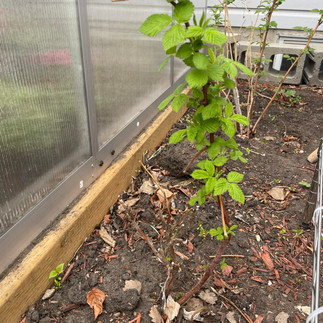
If you dont know what type of rasberries you have- like me, you can just keep all the canes ( I didnt realize I should note what type of rasberries I planted and threw out all the tags). This is currently my raspberries look like this and I am going to wait and see how much- if any fruit my floricanes produce before figuring out what type of pruning i need to do.





5. Watering and Fertilizing:
Keep raspberries well-watered, especially during dry periods and throughout the growing season. Apply a layer of mulch around the plants to conserve moisture and suppress weeds. Fertilize raspberries annually in early spring with a balanced fertilizer to promote healthy growth and fruiting.
6. Pest and Disease Management:
Keep an eye out for common pests such as aphids, Japanese beetles, and raspberry fruitworms, and take appropriate measures to control them if necessary. Disease prevention is key with raspberries, so practice good sanitation by removing and disposing of any diseased or damaged plant material promptly.
7. Harvesting:
Raspberries are ready to harvest when they easily detach from the plant with a little tug. Harvest ripe berries regularly to encourage continuous fruiting. Be mindful of thorns while picking and handle the delicate berries with care to avoid crushing them.
8. Enjoying Your Harvest:
Fresh raspberries are a delightful treat straight from the garden, but they can also be enjoyed in countless recipes, from jams and jellies to pies and smoothies. Freeze any excess berries for later use so you can enjoy the taste of summer all year round.
With proper care and attention, growing raspberries at home can be a rewarding experience. Whether you're a seasoned gardener or a novice, follow these tips to cultivate a bountiful raspberry patch that will provide you with delicious fruit for years to come. Happy growing!
PS: If you are intrested in container growing raspberries, I will create a separate post and you, yes you can grow rasberries in pots!!


Comments